
Batteries-2026
BACK TO PAGE

Why More BC Homeowners Are Adding Batteries to Their Solar Systems

June 2026

Solar power has become one of the most popular ways for homeowners in BC to reduce electricity costs and gain more control over their energy use. But now, more homeowners are taking the next step by adding battery storage to their solar systems.

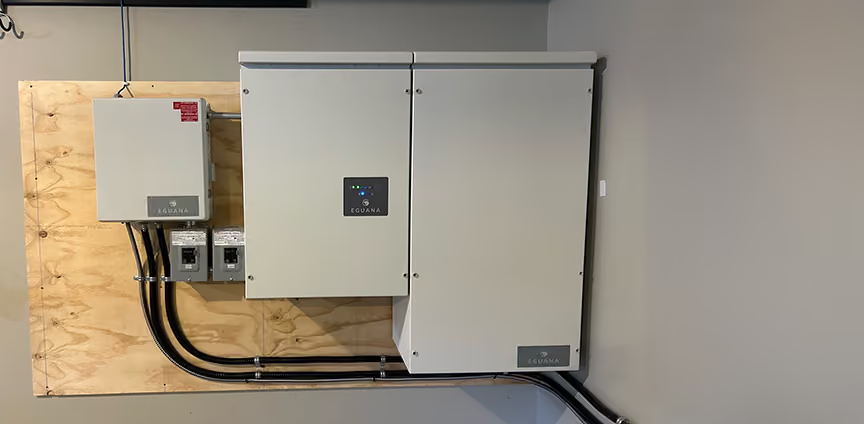
A home battery allows you to store energy generated by your solar panels and use it later when your home needs it most. While batteries were once considered a luxury add-on, improvements in technology and changes to utility programs are making them an increasingly attractive option for many homeowners.

What Does a Home Battery Do?

A battery stores extra electricity produced by your solar panels during the day. Instead of sending all excess power back to the grid, that energy can be saved for later use.

This stored energy can then power your home:

  • During the evening when solar production drops
  • During power outages
  • During higher-cost utility periods where applicable
  • When your home’s energy demand increases

Think of it as having your own backup energy supply ready when you need it.

Better Use of Your Solar Energy

One of the biggest benefits of battery storage is improving solar self-consumption.

Under BC Hydro’s current net billing structure for new self-generation customers, exported solar energy receives a lower credit rate than the retail cost of electricity. A battery allows homeowners to store excess solar energy instead of exporting it immediately.

That means more of the power your solar system generates can be used directly in your home rather than being sent away to the grid.

In simple terms:

  • Solar panels generate energy during the day
  • The battery stores unused power
  • Your home uses that stored energy later

This gives homeowners more control over how and when their energy is used.

Backup Power During Outages

One of the most popular reasons homeowners install batteries is for backup power.

A standard grid-tied solar system typically shuts down during a power outage for safety reasons. However, when paired with a properly designed battery system, selected circuits in the home can continue operating during an outage.

Common backup loads include:

  • Refrigerators and freezers
  • Lighting
  • Internet and communication equipment
  • Security systems
  • Sump pumps
  • Well pumps
  • Medical equipment
  • Essential outlets and appliances

This can provide peace of mind during storms, grid outages, or emergency situations.

Energy Independence and Control

Battery systems give homeowners greater energy independence.

Instead of relying entirely on the grid, homeowners can manage more of their own energy production and consumption. Modern battery systems can also monitor energy usage in real time, helping homeowners better understand where and when electricity is being used.

As energy technology continues to evolve, battery systems are becoming part of larger “smart energy” homes that may eventually integrate:

  • Solar production
  • Battery storage
  • EV charging
  • Smart energy monitoring
  • Future vehicle-to-home energy capabilities

This creates a more flexible and connected energy system for the future.

Are Batteries Right for Every Home?

Not always.

For homeowners focused only on the lowest upfront cost, a battery may not provide enough financial savings on its own to justify the investment.

Large electrical loads can require significantly larger battery systems if backup operation is desired:

  • Electric heating systems
  • EV chargers
  • Ovens and ranges
  • Welders
  • Large heat pumps

Every home is different, which is why battery systems should be carefully designed around the homeowner’s goals, energy usage, and backup priorities.

The Bottom Line

Solar panels help reduce electricity costs by generating clean energy.

Batteries help make that energy available when it matters most.

For homeowners interested in backup power, greater energy independence, improved solar self-consumption, and future-ready energy systems, battery storage can be an exciting addition to a solar installation.

As battery technology continues to improve, more BC homeowners are discovering that energy storage is about more than just savings — it’s about control, reliability, and preparing for the future of home energy.

TESTIMONIAL
Request a Quote
What type of system are you looking for?*
Submit
Oops! Something went wrong while submitting the form.
Batteries-2026
BACK TO PAGE

Why More BC Homeowners Are Adding Batteries to Their Solar Systems

June 2026

Solar power has become one of the most popular ways for homeowners in BC to reduce electricity costs and gain more control over their energy use. But now, more homeowners are taking the next step by adding battery storage to their solar systems.

A home battery allows you to store energy generated by your solar panels and use it later when your home needs it most. While batteries were once considered a luxury add-on, improvements in technology and changes to utility programs are making them an increasingly attractive option for many homeowners.

What Does a Home Battery Do?

A battery stores extra electricity produced by your solar panels during the day. Instead of sending all excess power back to the grid, that energy can be saved for later use.

This stored energy can then power your home:

  • During the evening when solar production drops
  • During power outages
  • During higher-cost utility periods where applicable
  • When your home’s energy demand increases

Think of it as having your own backup energy supply ready when you need it.

Better Use of Your Solar Energy

One of the biggest benefits of battery storage is improving solar self-consumption.

Under BC Hydro’s current net billing structure for new self-generation customers, exported solar energy receives a lower credit rate than the retail cost of electricity. A battery allows homeowners to store excess solar energy instead of exporting it immediately.

That means more of the power your solar system generates can be used directly in your home rather than being sent away to the grid.

In simple terms:

  • Solar panels generate energy during the day
  • The battery stores unused power
  • Your home uses that stored energy later

This gives homeowners more control over how and when their energy is used.

Backup Power During Outages

One of the most popular reasons homeowners install batteries is for backup power.

A standard grid-tied solar system typically shuts down during a power outage for safety reasons. However, when paired with a properly designed battery system, selected circuits in the home can continue operating during an outage.

Common backup loads include:

  • Refrigerators and freezers
  • Lighting
  • Internet and communication equipment
  • Security systems
  • Sump pumps
  • Well pumps
  • Medical equipment
  • Essential outlets and appliances

This can provide peace of mind during storms, grid outages, or emergency situations.

Energy Independence and Control

Battery systems give homeowners greater energy independence.

Instead of relying entirely on the grid, homeowners can manage more of their own energy production and consumption. Modern battery systems can also monitor energy usage in real time, helping homeowners better understand where and when electricity is being used.

As energy technology continues to evolve, battery systems are becoming part of larger “smart energy” homes that may eventually integrate:

  • Solar production
  • Battery storage
  • EV charging
  • Smart energy monitoring
  • Future vehicle-to-home energy capabilities

This creates a more flexible and connected energy system for the future.

Are Batteries Right for Every Home?

Not always.

For homeowners focused only on the lowest upfront cost, a battery may not provide enough financial savings on its own to justify the investment.

Large electrical loads can require significantly larger battery systems if backup operation is desired:

  • Electric heating systems
  • EV chargers
  • Ovens and ranges
  • Welders
  • Large heat pumps

Every home is different, which is why battery systems should be carefully designed around the homeowner’s goals, energy usage, and backup priorities.

The Bottom Line

Solar panels help reduce electricity costs by generating clean energy.

Batteries help make that energy available when it matters most.

For homeowners interested in backup power, greater energy independence, improved solar self-consumption, and future-ready energy systems, battery storage can be an exciting addition to a solar installation.

As battery technology continues to improve, more BC homeowners are discovering that energy storage is about more than just savings — it’s about control, reliability, and preparing for the future of home energy.

Button Text -->